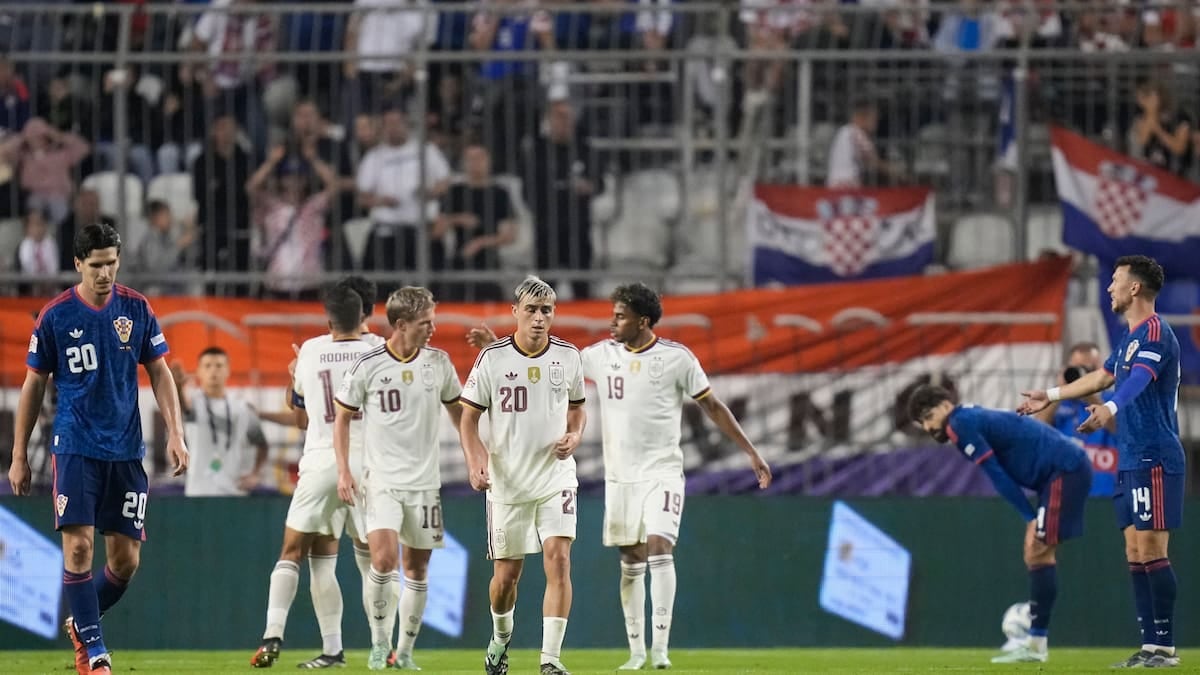
Argentina faces a marathon without knockouts in Baku
The first FIFA World Cup under-15 takes place in Baku with 189 teams, a compressed schedule and a format that changes everything. Argentina, coached by Adrian Gallara, begins Saturday against Algeria and will play five games in 72 hours.
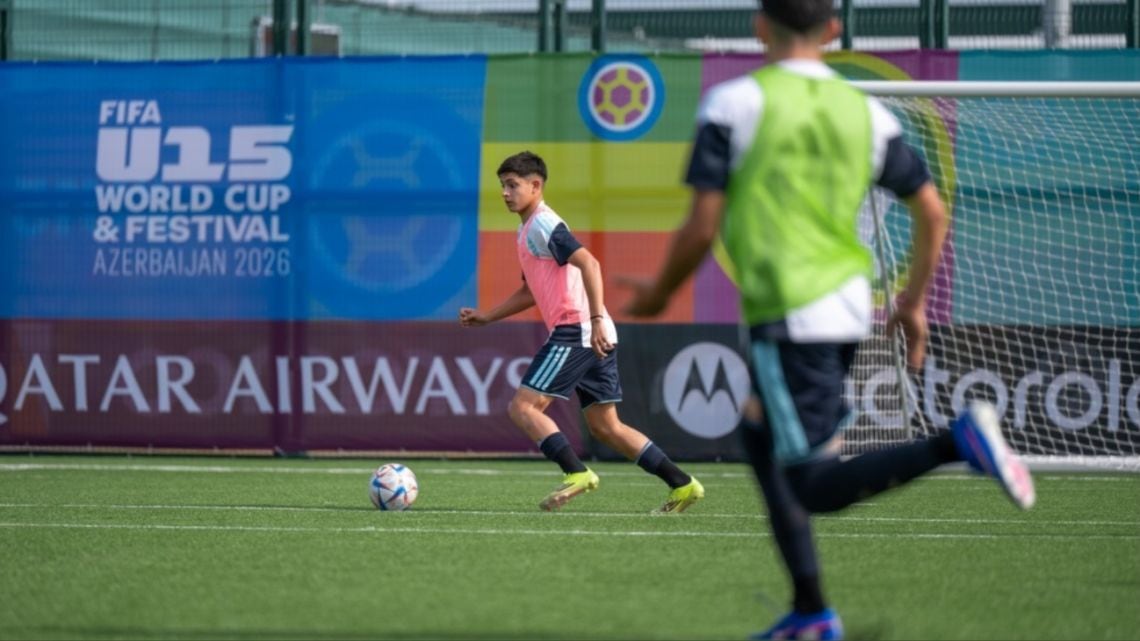
A 70-meter field, 20-minute halves and five matches in three days. This is football, but not the version we usually recognize. Baku hosts the first FIFA World Cup under-15 and Festival, a tournament that compresses 189 national teams into just seven days. The wind is certainly part of the scenery, but the schedule is the real star.
Argentina arrives with 14 players under the direction of Adrian Gallara, the Cordoba coach who has worked with the AFA youth divisions since 2017. The team is in Group B and starts Saturday, October 24, against Algeria at 2:00 a.m., Argentine time.
A tournament designed to break habits
The format is unlike traditional youth competitions. Each team plays eight players, including the goalkeeper. Matches have two halves of 20 minutes, with a five-minute interval. The fields measure 68 by 47 meters. Rosters may include up to 14 footballers, all born in 2011 or 2012.
There are 32 groups, identified from A to AF. Every team faces its group rivals once, but nobody is eliminated in that stage. Group winners reach Level A and will compete for the first world title in the category. The other teams go to Levels B through F, where all remaining matches are knockout games with final positions at stake.
- 189 participating national teams
- 32 groups of eight teams
- Approximately 3,000 footballers
- 950 matches over six days
- A maximum of two games per day for each selection
For Argentina, the challenge is immediate. After Algeria, the team faces Chinese Taipei on Sunday at 5:45 a.m. and Oman at 12:30 p.m. On Monday it plays Suriname at 4:30 a.m. and closes the group stage against Malawi at 11:15 a.m. That means five games in 72 hours, with travel, recovery and emotional demands all bundled into a very short period.
Does the compressed format favor teams with more experience, or does it give emerging selections a chance? My view is that it does both. The teams with solid youth structures can handle the constant demands, but the smaller fields and shorter matches reduce the weight of physical fatigue. There is less time for opponents to impose a rhythm, and more space for surprise. In other words, the format can reward preparation, but it also leaves room for the unexpected.
Argentina will have to manage the squad carefully. Gallara's task will not only be to find the right starters, but also to rotate and keep the players mentally fresh. With five games in three days, a single day off can become as important as a tactical change. The festival demands a different kind of resilience: not only playing well, but doing it repeatedly.
The weekend fixture is clear: Argentina opens against Algeria, then faces Chinese Taipei and Oman, before playing Suriname and Malawi. The venue is Baku, Azerbaijan. Whether this model expands youth football or simply makes everyone more exhausted, the first edition will settle that on the field. And there, as always, the ball will have the final word.
Te puede interesar